
Maharashtra Darshan Part-1
The first leg of our Maharashtra darshan began on Wednesday 05/06/19 from YASHADA, Pune. We were scheduled to cover 3 districts – Ratnagiri, Sindhudurg & Kolhapur in 4 days. We were told that, this was the first time the OTs were sent on a Konkan tour and also the first time when no YASHADA staff accompanying us. That was quite a relief not being ferried hurriedly by a disciplinarian. That also meant that we had to manage on our own. So it was kind of “responsible luxury”.

Off we go in three new white Innova Crystas. It was quite generous and thoughtful of the Course team to arrange 3 vehicles for 7 probationers, in case if one of them breaks down, still the tour could go on unimpeded. Imagine, if officer trainees get stranded middle of the highway waiting for the car repair to be over, missing important parts of the tour, cursing the course team, carrying grumpy faces for the rest of the tour. Costs for not planning for the uncertainty far exceeds the costs of preparedness. On a side note, thanks to more literate and aware citizens, nowadays the insurance industry is flourishing.
The first district – Ratnagiri was much anticipated, not least because of the mouth watering Aapus. The route to Ratnagiri was scenic and typical of Sahyadri line. Immediately after reaching the guest house, we left for the collector’s office. We were greeted warmly by the Collector and his staff. After a brief presentation about Ratnagiri district, we had a sumptuous lunch at ‘Sagar Darshan’- the Collector’s residence. The sea facing bungalow with lush green lawns and all kinds of fruit trees was a sight to watch. The Collector, a farmer’s son, had even livestock inside the premises. He was very generous with his time and advice. Right from handling the day to day work to dealing with office staff and subordinates and with the politicians, we were happy to hear his tips. Accompanying him was the Ratnagiri Zilla Panchayat CEO. CEO madam was also very friendly with us.
Some of the tips given by them were
- Administration is common sense, not rocket science. Do your due diligence while signing the files and cheques and don’t be paranoid about them.
- It helps to be tech savvy. Knowing that the boss is smart leaves no scope for fooling around
- Meet the visitors and all of them. Doesn’t look good if people coming from far off places wait for long just to see Collector hurriedly walking off
- If somebody comes with a representation for getting something done which cannot be done for whatever reasons, don’t say no on the face. Keep the file with you say I’ll look into the file. After sometime people themselves realise that its not legally or ethically feasible

From the Collector’s residence we left for Gadre fish processing plant. It’s one of the largest Surumi processing plant in India. Their, the marine fish catch is processed into fish paste which can be used in various recipes. Imitation crabs, lobsters, prawns etc are made from the fish paste. Their main market is abroad. There were some 1600 employees working in the Gadre factory providing large scale employment to the people of Ratnagiri. The ecosystem is helped by a College of Fisheries and the fisheries department. However except for some land acquisition or buying, the Gadre factory doesn’t deal much with the government. They buy raw fish from the fish traders. They process them and export them. That’s how most of the industry and businesses should run and let be run – Maximum governance and minimum government. As long as the factory isn’t causing negative externalities and doing its business as per the laws of the land, it should be liaisez faire.
Then we went to Ganapathi Pule beach deriving its name from the Ganapathi pule temple on the shore. A very famous beach, thronged by tourists throughout the day. The facilities there for the tourists were decent enough, however their maintenance could be looked after periodically by the concerned authorities.
We then returned to the guest house and rested for the night. Next day we visited Mirkarwada fishing harbour which was under construction. The project was being implemented by the Maharashtra Maritime Board. Then we proceed to Ratnadurga fort from where one could have a bird’e eye view of Mirkarwada fishing harbour and also the sea. The coastline was quite rugged which also explained absence of beaches. We moved on to see the Fisheries department’s prawn and fish farms where currently crablets were being cultivated. Those seeds were then given to the people engaged in pisciculture. We got to know that every district in Maharashtra has a concerned fisheries office implementing state and central schemes. The state also has four fisheries college. With proper industry-academic linkage, significant employment can be generated in fisheries sector. However one hurdle I could see was the high initial investments required to start pisciculture.
Having seen the Ratnagiri district, it was time to move on to Sindhudurg. Nothing much happened in Sindhudurg except for the Horticultural research centre at Vengurla. It was state of the art centre involved in developing novel varieties of Mangoes and other fruits like Kokum, Cashew etc.
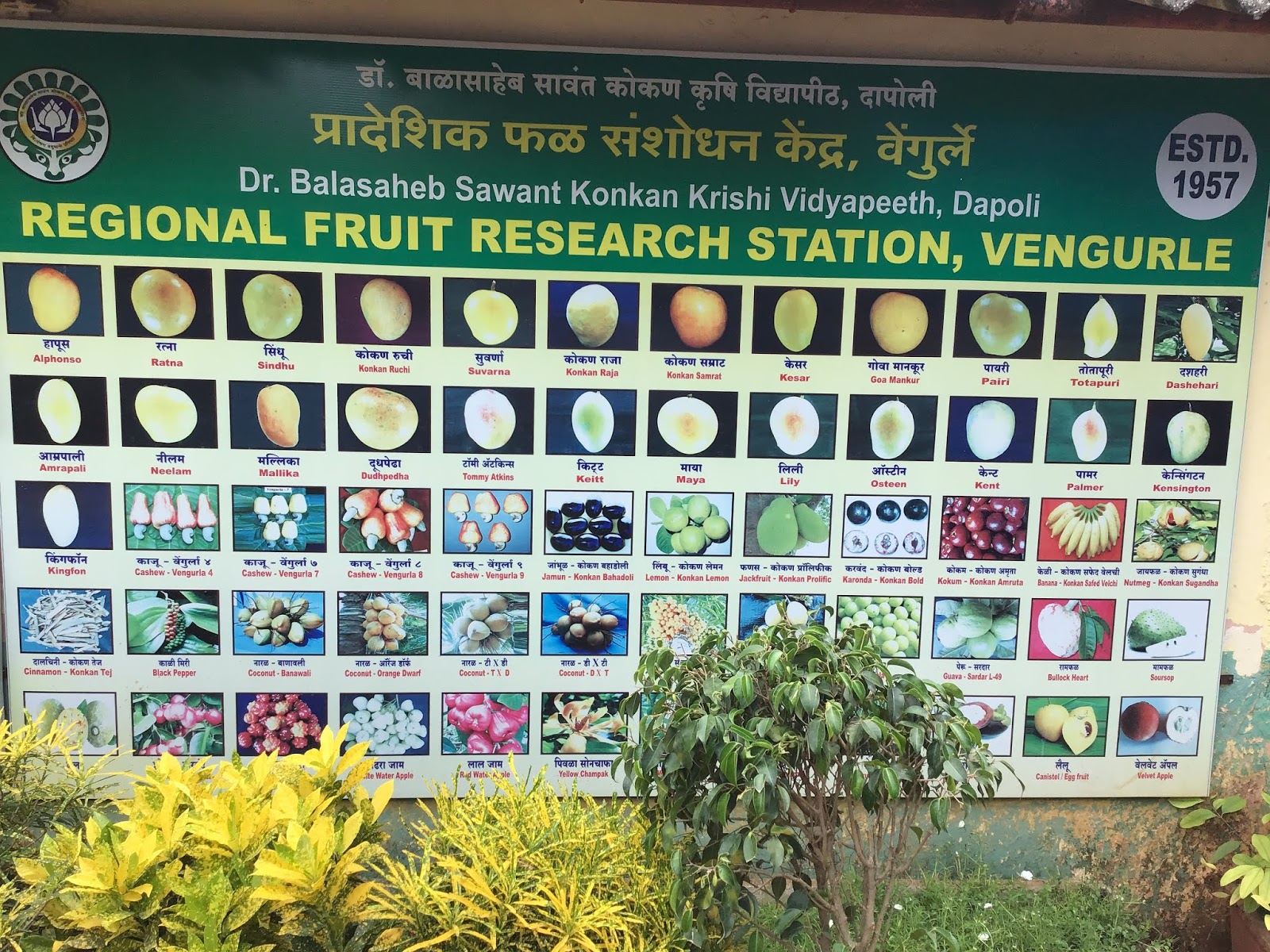
The success of the research centre was visible from the regular stream of visitors buying the saplings. I suggested the staff who was briefing us to go for ISO certification, as the centre was well maintained.
The last leg of the tour was iconic Kolhapur. This requires a separate article to elaborate the speciality of Kolhapur. In short, Kolhapur was a pleasant mixture of tradition and modernity, the signs of progressive thinking of Shahu Maharaj visible very much today.
Having seen the prosperous Konkan side of Maharashtra, its time to visit Marathwada and Vidarbha soon.

 KEERTHI KIRAN PUJAR
खुप छान लिहिलंय कीर्ति सर..
LikeLike
The Author has mastered technique of paying attention to details but not getting lost in them. The article is a must read for people who wish to observe ,learn and make positive change in society. The language is quite simple yet engaging. It comes across not just as another travelogue but an attempt to appreciate the administrative set up along with people centric thinking. Suggestions are a welcome approach especially the ISO one. Looking forward to many more articles from the author .
LikeLike